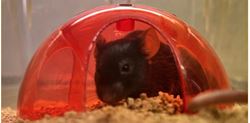
The course aims to prepare researchers for the appropriate use of animals in scientific experiments. This two-week theoretical and practical course will cover the biology and husbandry of laboratory animals, aspects of microbiology and disease, health hazards and safe practices in the animal house, the design and conduct of animal experiments, anaesthesia, analgesia and experimental procedures, as well as the ethical and legal aspects of animal experimentation and alternatives to animal use.
This course aims to provide basic knowledge and practical skills in infection immunology. With this objective as a basis, students work as a team in the presentation and discussion of scientific articles and bibliographic research works that are discussed together with the teachers. In this way, it promotes teamwork, facilitating the integration of acquired knowledge with the need to investigate and communicate science.
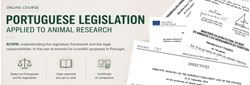
This modular course provides a relevant level of understanding of the national and international regulatory framework within which projects involving animals are constructed and managed, and of the legal responsibilities of the persons involved in the use of animals for scientific purposes. All relevant legislation will be covered considering the learning outcomes listed in the detailed information.